
Procedures
Sinus Lift (Sinus Augmentation)
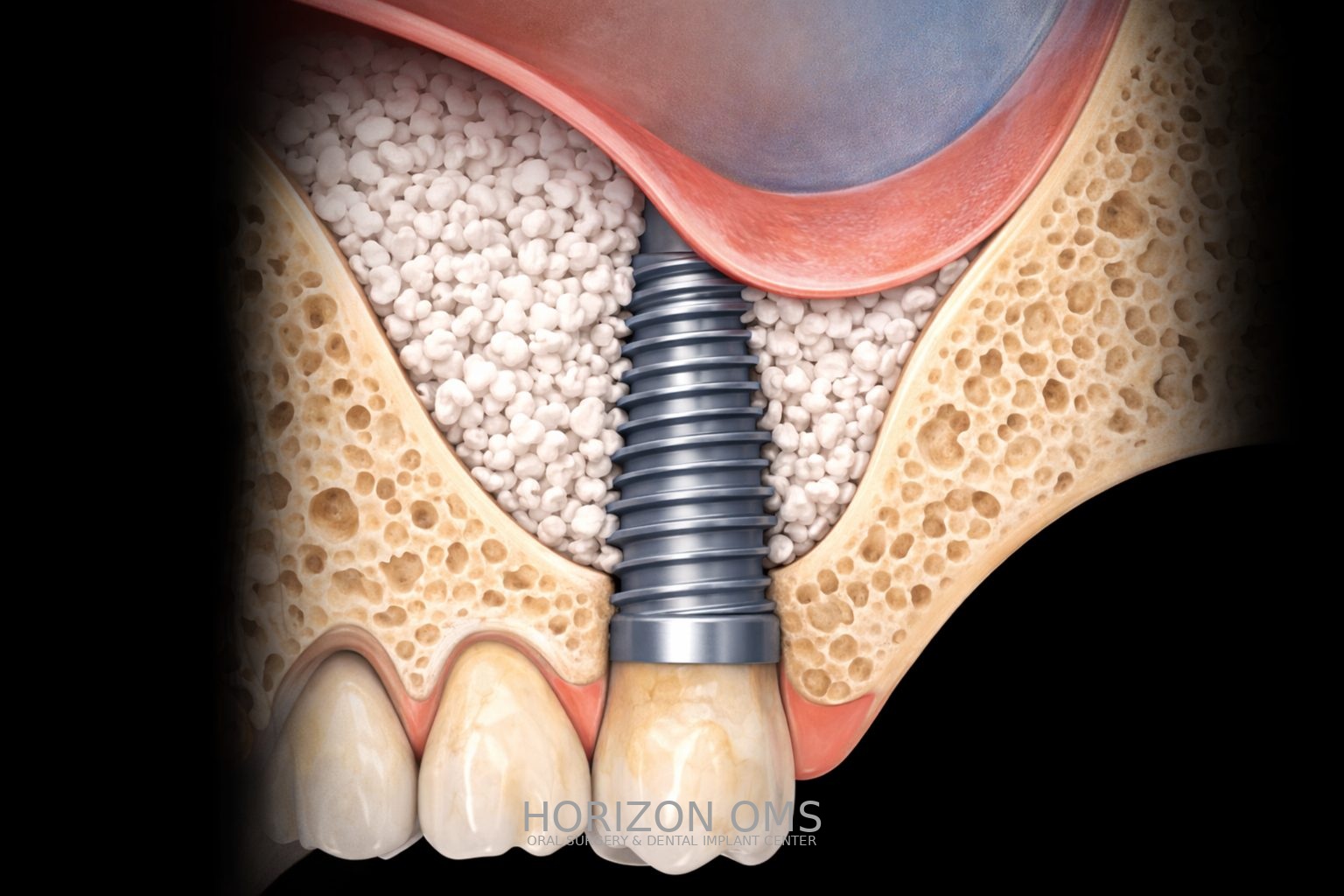
A sinus lift adds bone in the upper jaw to support dental implants when natural bone height is limited.
What is a sinus lift?
A sinus lift (sinus augmentation) is a bone grafting procedure that increases bone height in the upper back jaw (posterior maxilla) so dental implants can be placed more predictably.
Why it’s needed
After tooth loss, the upper jaw can lose bone over time and the sinus may expand into the space. When there isn’t enough native bone to stabilize an implant, a sinus lift creates room for graft material to support future implant placement.
Planning & imaging
We typically use a detailed clinical exam and 3D imaging (CBCT) to evaluate sinus anatomy, bone volume, and any sinus-related factors that can affect treatment planning.
Technique options
- Lateral window sinus lift: often used when more graft volume is needed.
- Crestal/osteotome approach: may be used for smaller lifts in selected cases.
The best approach depends on your bone height, implant plan, and restorative goals.
Indirect (crestal / “mini”) sinus lift
In selected cases, an indirect crestal sinus lift gently elevates the sinus membrane through the implant site. This can create enough height to place an implant and add graft material when only a small amount of additional lift is needed.
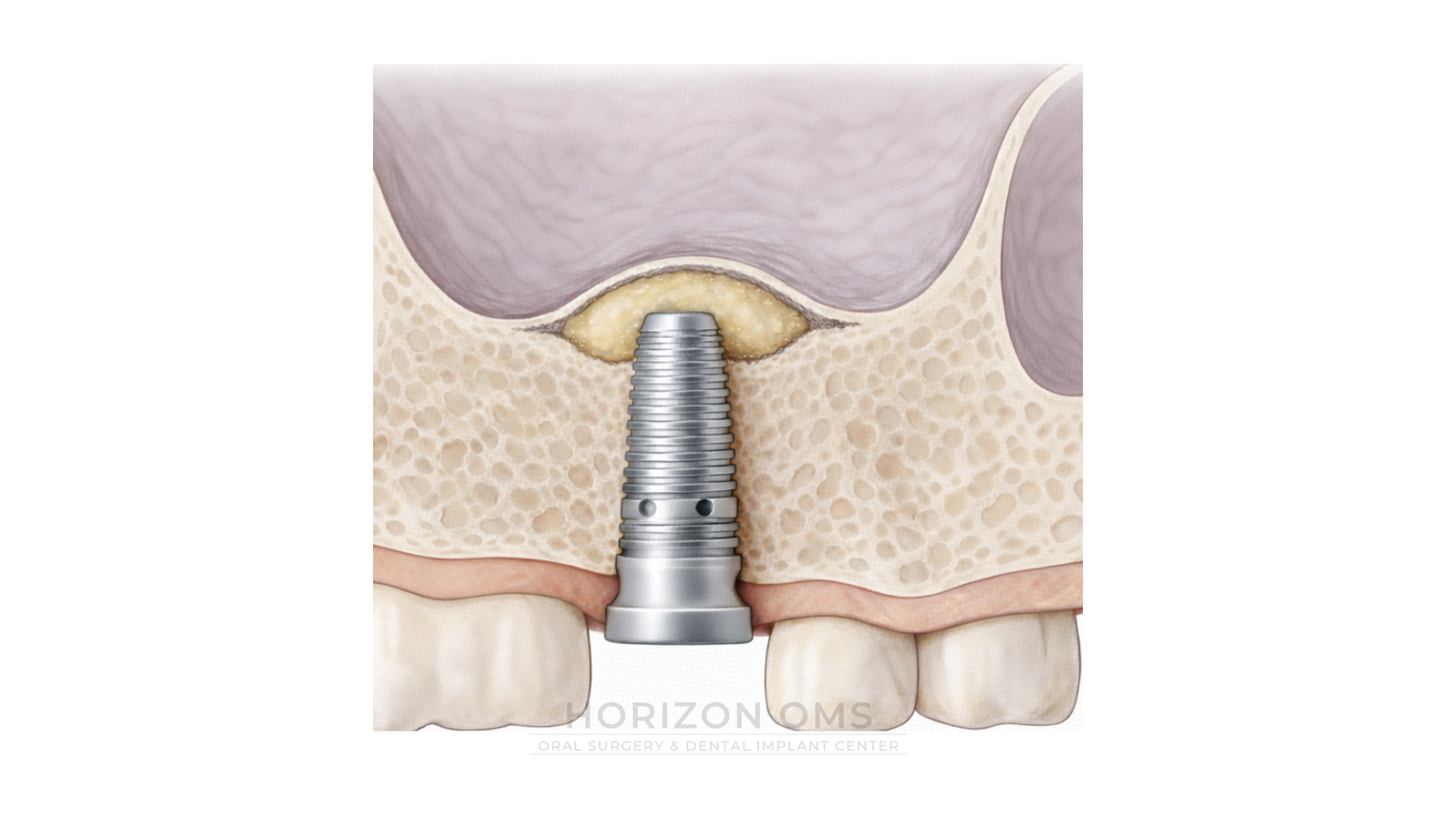
Image shown for educational purposes. Final approach depends on anatomy and implant stability.
Recovery & aftercare
Most patients have mild to moderate soreness and congestion-like pressure for a few days. We provide detailed instructions, including activity modifications (such as avoiding forceful nose blowing) to protect the graft and sinus membrane during early healing.
Sinus precautions
After a sinus lift (and sometimes after a sinus membrane tear), it’s important to avoid pressure changes in the sinus while early healing occurs. These precautions help protect the sinus membrane and graft.
- Do not blow your nose. Sneeze with your mouth open.
- Avoid straws, forceful spitting, and suction (including smoking/vaping).
- Avoid heavy lifting/straining for several days, and sleep with your head elevated.
- Take medications as prescribed and follow any decongestant/nasal spray instructions we provide.
Download: Sinus precautions (PDF).