
Procedures
Dental Implants in Lombard, IL
Predictable, long‑term tooth replacement using modern implant techniques and thoughtful surgical planning for patients in Lombard and the western suburbs.
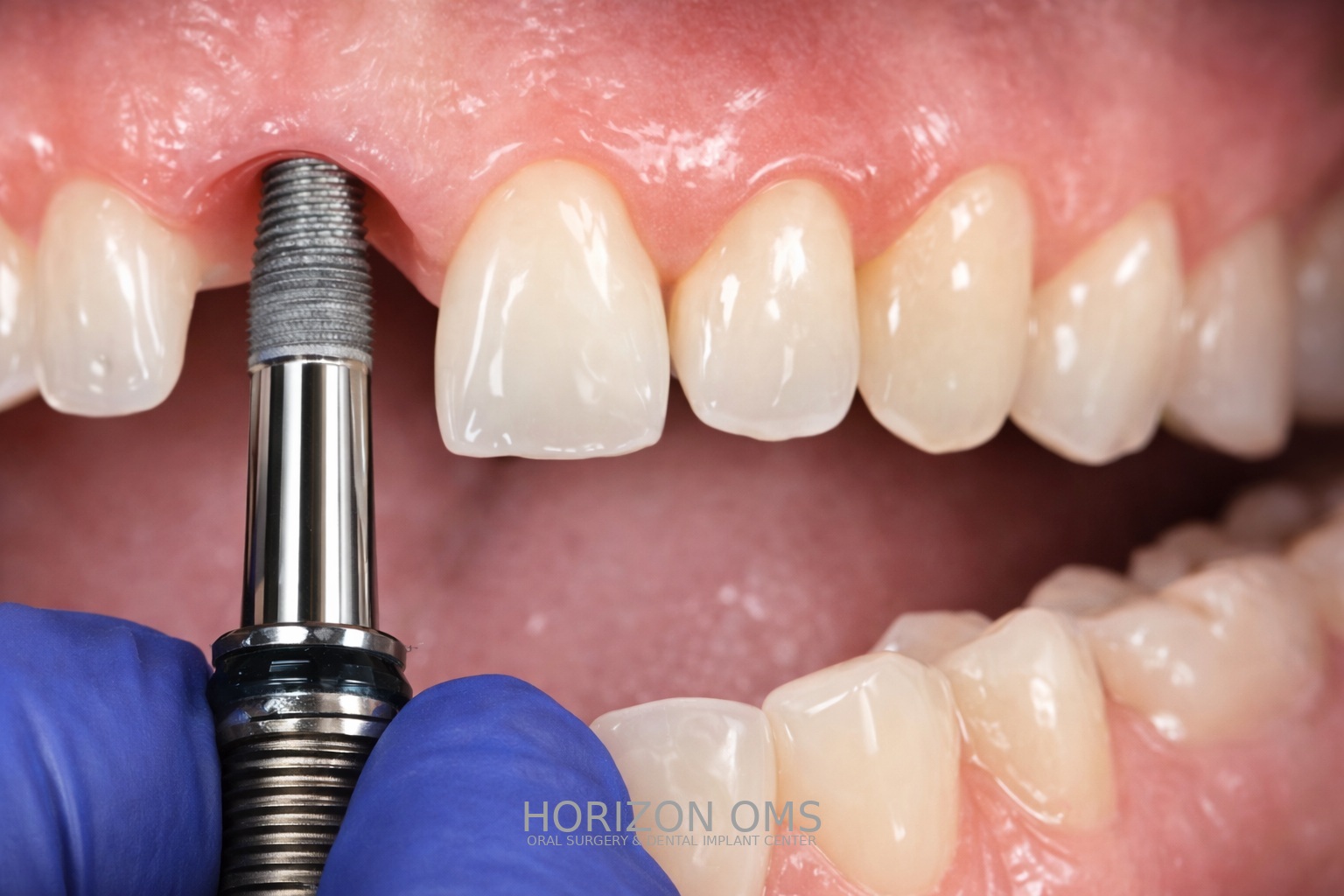
What are dental implants?
Dental implants are titanium fixtures placed into the jawbone to replace missing teeth. Over time, the implant integrates with the bone and serves as a stable foundation for a crown, bridge, or full‑arch restoration.
Who may benefit from implants?
- Patients missing one or more teeth
- Those seeking a fixed alternative to dentures
- Patients with adequate bone volume or candidates for grafting
Restorative planning (prosthetically driven)
Dental implant placement is prosthetically driven — meaning we plan the implant position around the final tooth or teeth first, then design the surgery to support that outcome. We coordinate with your restorative dentist to confirm ideal spacing, bite, and tooth contours so each implant is placed in the best 3D position for a predictable long‑term restoration.
This becomes especially important when replacing more than one tooth. Depending on anatomy and restorative goals, multiple missing teeth can often be replaced with:
- Single‑tooth implants — one implant for each missing tooth.
- An implant‑supported bridge — fewer implants supporting multiple teeth together.
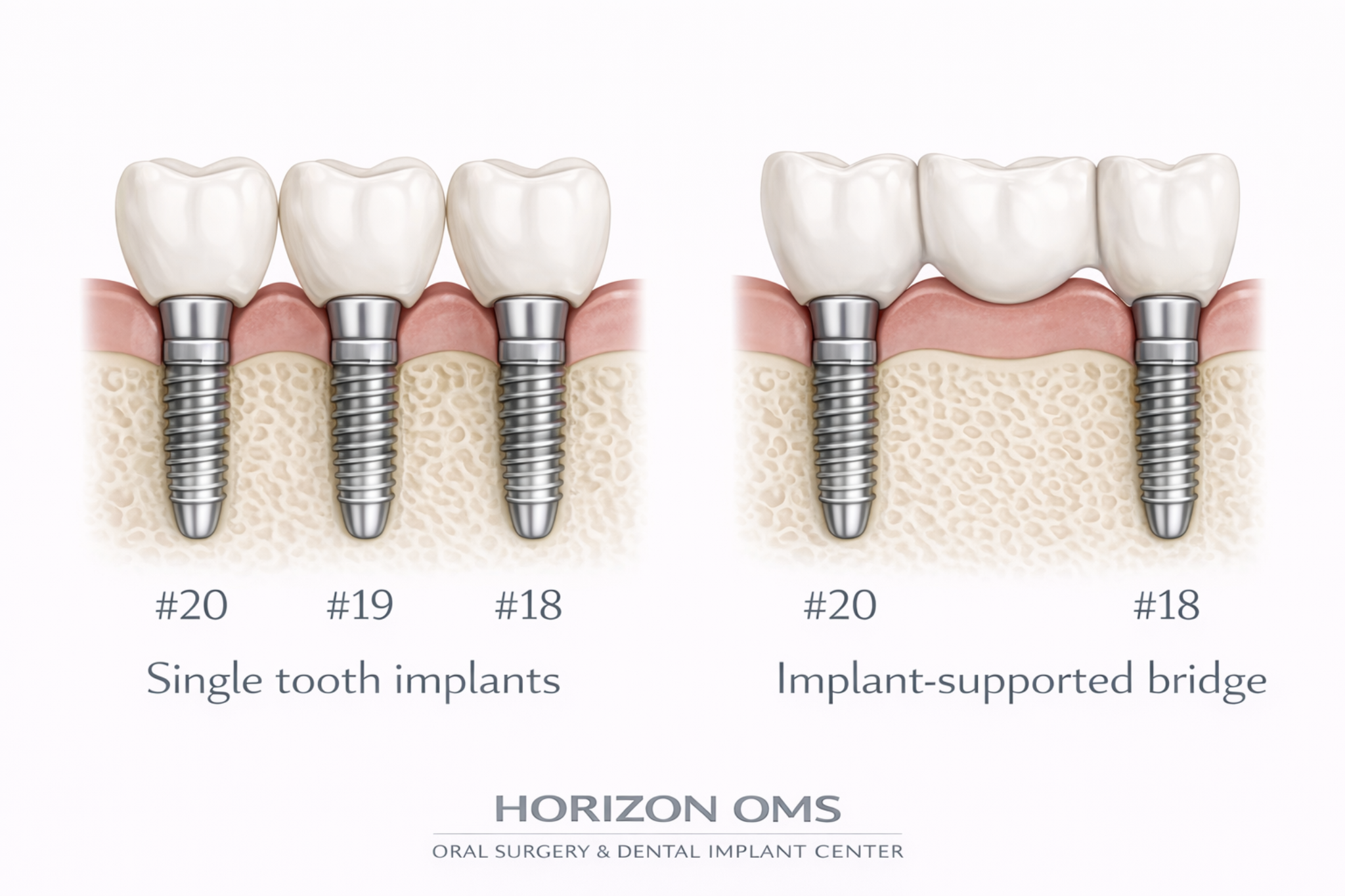
Example shown: three missing teeth may be replaced with three individual implants, or with two implants supporting a three‑unit bridge. The right approach depends on bone, bite forces, and the restorative plan.
Surgical planning
Implant placement begins with a comprehensive evaluation, including 3D imaging when appropriate. This allows for careful planning around adjacent teeth, nerves, and sinus anatomy.
Bone grafting & advanced techniques
When bone volume is insufficient, grafting procedures may be recommended to support long‑term implant success. In select upper‑jaw cases with severe resorption, we may also discuss remote anchorage options such as zygomatic or pterygoid implants. Options are discussed on an individual basis.
Recovery & aftercare
- Mild swelling or discomfort is common for several days
- Most patients return to normal activity within 24–48 hours
- Detailed postoperative instructions are provided after surgery
Taking Prolia, Fosamax, Reclast, Xgeva, or similar medications? See our guide on MRONJ risk and extractions.