
Procedures
Dental Extractions (Non‑Wisdom Teeth) in Lombard, IL
When a tooth can’t be saved, we focus on a smooth, comfortable extraction—and on setting you up for the best next step, whether that means replacement or not.
Urgent pain or swelling? If you may need a same‑day evaluation, start here: Emergency Oral Surgery.
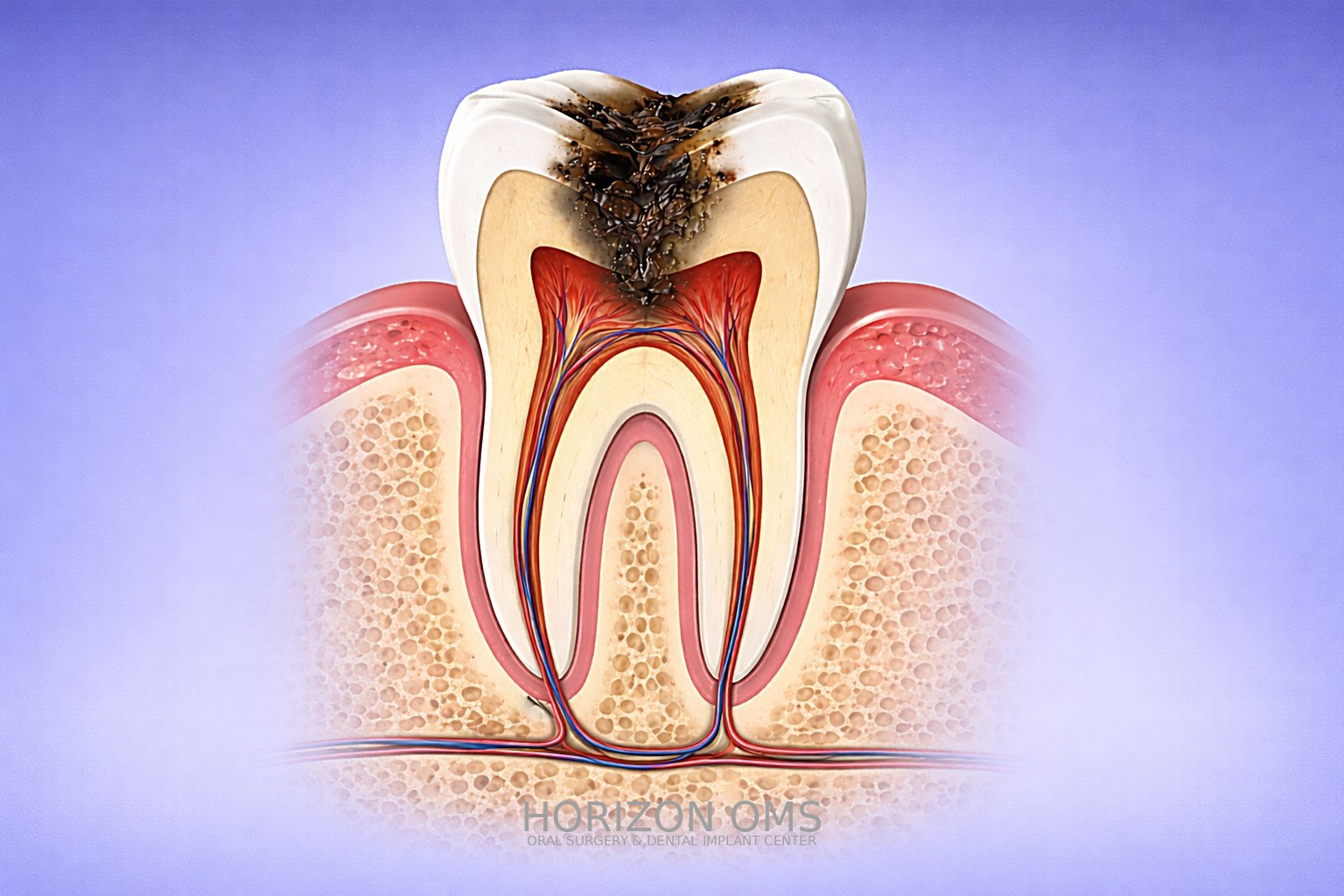
When an extraction may be recommended
- Severe decay or recurrent infection
- Cracked or fractured teeth that can’t be restored
- Advanced periodontal (gum) disease with bone loss
- Failed root canal or persistent symptoms
- Teeth removed for restorative planning
What happens after a tooth is removed?
Many non‑wisdom teeth are important for chewing and stability. After your extraction, your surgeon will discuss next steps in coordination with your dentist and based on each patient’s needs and desires. Replacement can be:
- Fixed: a dental implant or a bridge
- Removable: a partial or complete denture
- None at all: in select situations, leaving the area unrestored is appropriate
Bone grafting & soft‑tissue support
Non‑wisdom extractions often require bone grafting and/or soft‑tissue procedures to support long‑term health and future restoration. We routinely provide these services and coordinate timing with the restoring dentist’s care team.
- Socket bone grafting to help preserve ridge shape
- Membranes/biologics when indicated
- Soft‑tissue procedures to improve healing and support future restorations
What to expect
- Appropriate and comfortable anesthesia, whether it’s office‑based IV sedation, nitrous oxide (laughing gas), or local anesthetic, based on your needs and the complexity of the procedure.
- Clear post‑op instructions and swelling/pain guidance
- A follow‑up plan tailored to whether you’re replacing the tooth or not
Taking Prolia, Fosamax, Reclast, Xgeva, or similar medications? See our guide on MRONJ risk and extractions.
After Surgery: Review our general after-surgery instructions.