
Procedures
Oral Pathology & Biopsy
Evaluation of oral lesions and surgical biopsy to obtain a definitive diagnosis, coordinated with pathology review and a clear treatment plan.
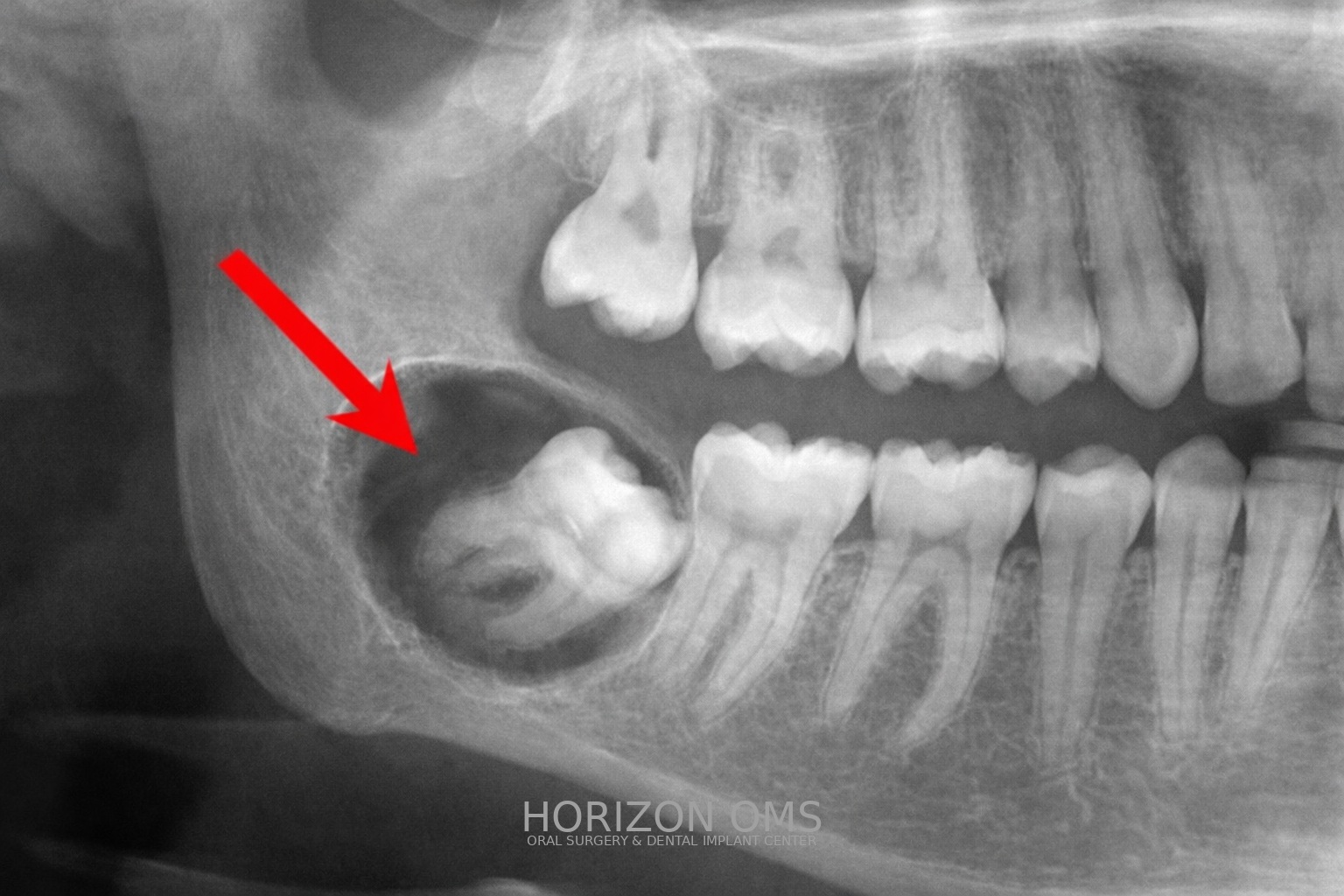
Evaluation of oral lesions
Not every spot or bump is serious — but anything that is new, changing, persistent, or painful deserves a proper exam. We evaluate the mouth, jaw, and surrounding tissues and recommend observation, imaging, or biopsy when appropriate.
Oral biopsy
A biopsy is a small surgical procedure used to obtain tissue for diagnosis. We perform soft tissue biopsies (for areas on the gum, cheek, tongue, or palate) and can also evaluate jaw (hard tissue) findings seen on imaging — often described as bony “lesions” or “cysts.” Depending on the finding, a biopsy may be performed under local anesthesia, with IV sedation, or in a hospital setting. We coordinate pathology review and communicate results and next steps.
Soft tissue vs. jaw (hard tissue) biopsies
- Soft tissue: gums, inner cheek, tongue, lip, or palate. Many can be completed in the office with local anesthesia.
- Jaw bone: lesions within the bone (commonly referred to as cysts). We typically review imaging (often CBCT when helpful) to plan a safe approach and determine whether an in-office procedure or sedation is best.
When a biopsy is considered
- A sore, ulcer, or lesion that does not heal
- Unexplained white or red lesions on the gum or tongue that last more than 2 weeks
- A growth or lump that is enlarging
- Persistent swelling, numbness, or unexplained pain
- Radiographic findings in the jaw that need clarification
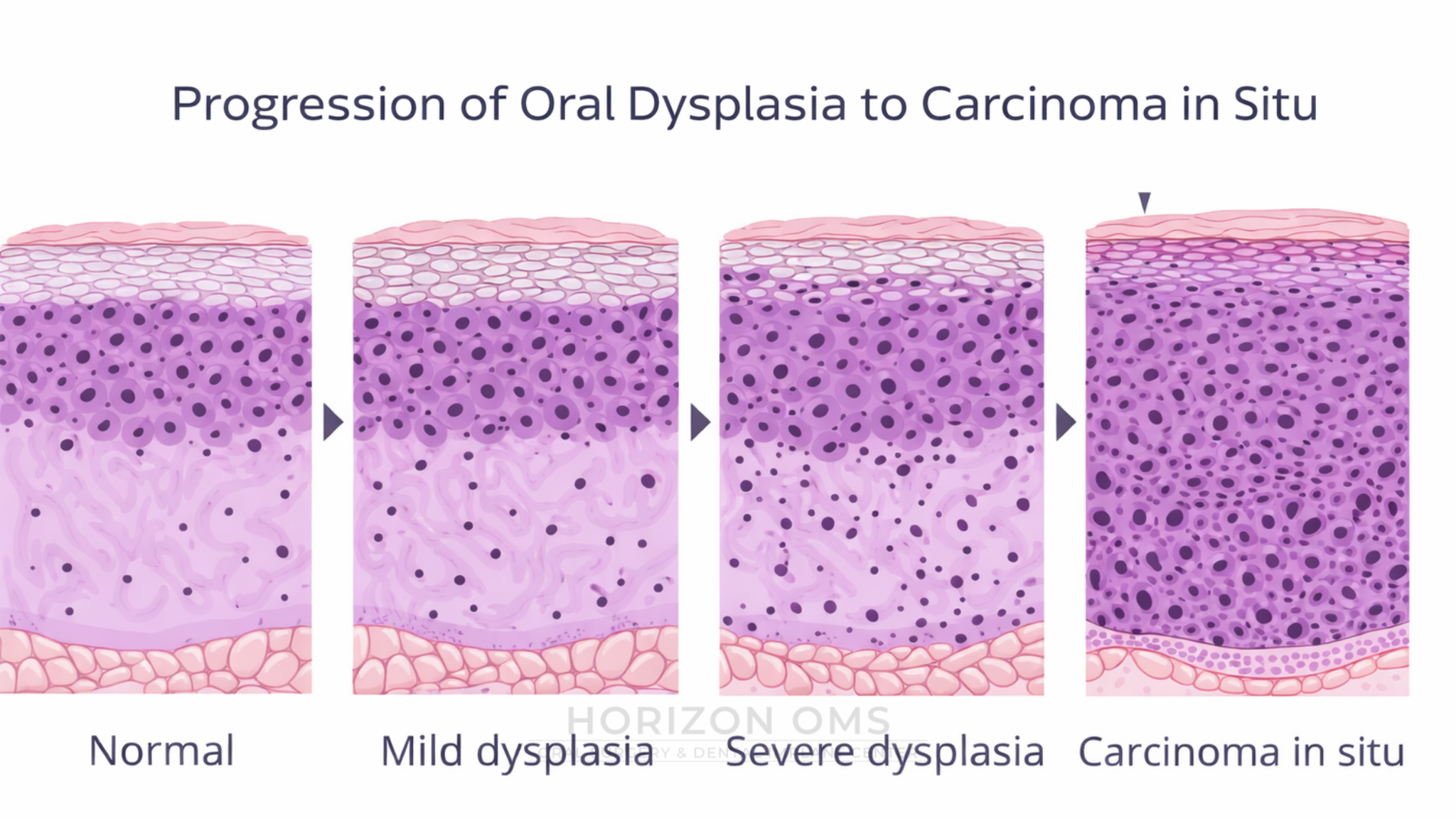
Oral epithelial dysplasia means there are abnormal changes in the surface lining cells. It is not a cancer diagnosis, but depending on the grade it can carry a risk of progression over time and may require monitoring, repeat biopsy, or removal/ablation in select cases. Read: Oral dysplasia & management (PDF).