
Procedures
TMJ Disorders & Facial Pain
Comprehensive evaluation and stepwise management of temporomandibular joint disorders.
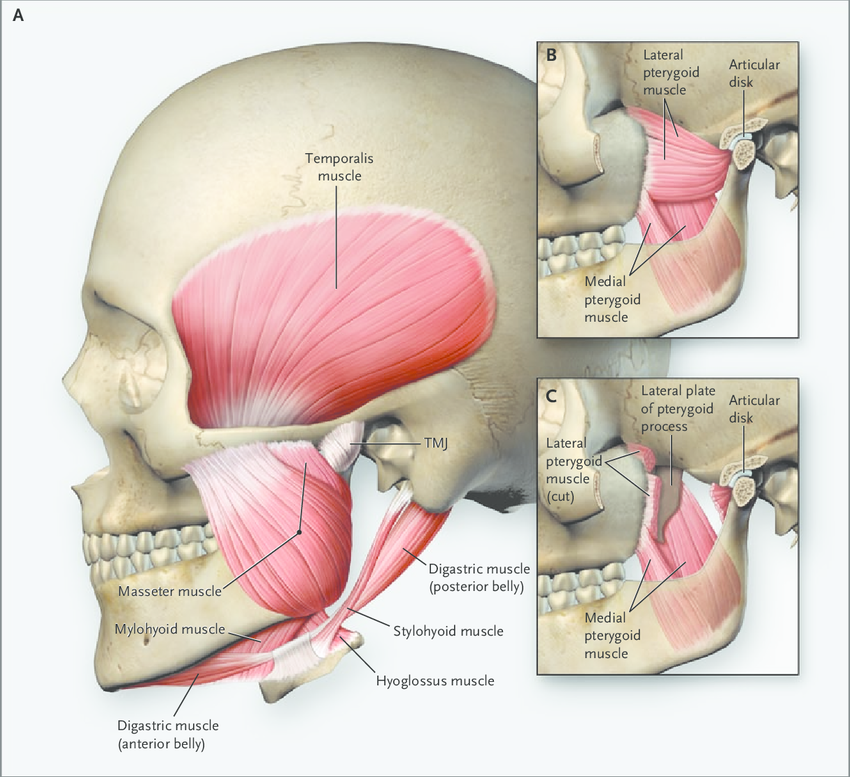
Understanding TMJ disorders
The temporomandibular joints (TMJs) connect the lower jaw to the skull and play a critical role in speaking, chewing, and facial movement. Disorders of the TMJ may cause pain, clicking or popping, limited jaw motion, headaches, or facial discomfort.
Evaluation
TMJ-related symptoms can have multiple contributing factors. Evaluation may include a detailed clinical examination, review of dental and medical history, and advanced imaging when indicated.
Conservative management
- Behavioral modification and jaw rest
- Anti-inflammatory or muscle-relaxant medications
- Occlusal splint therapy
- Physical therapy
Surgical options
When conservative measures are ineffective, surgical intervention may be considered. Options range from minimally invasive arthrocentesis to more advanced joint procedures, depending on diagnosis and severity.
TMJ consultation
Phone: (630) 000-0000
Email: horizonoms@outlook.com